Skip to content

Carpentry Sales & Estimating Strategies

Your Craftsmanship Wins Attention. Your Sales Process Helps Win the Job.

Custom cabinetry, decks, trim work, built-ins, and remodeling projects often begin with a conversation about what a customer wants to create.

Learn how to turn those conversations into organized estimates, clear next steps, and a consistent follow-up process.

View DemoUse the Free Checklist

Free checklist below. No account or email needed.

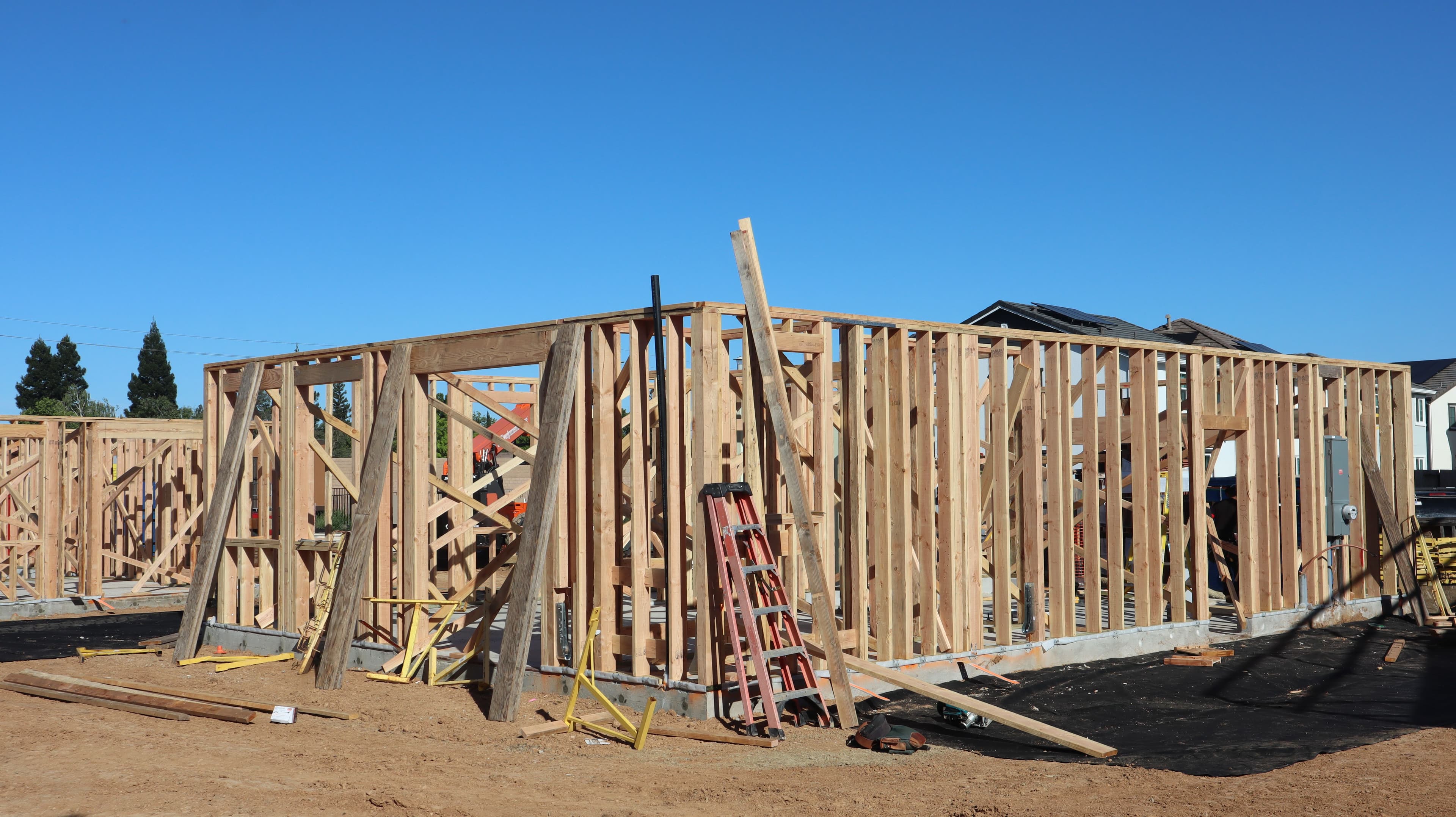
Wood framing and temporary bracing at a new home construction site
Photo: D Goug via Pexels

Understand the evidence

Research to Inform Your Carpentry Sales Process

Published January 13, 2026 · Survey fielded July 2025

Ask what the built-in needs to do.

Houzz's 2026 kitchen study identified pantry cabinets, beverage stations and other built-in features in respondents' renovation plans and projects.

For kitchen-related carpentry, ask about intended use and storage needs before estimating. This is a practical application of the research, not a prediction of local demand.

Who was studied: 1,780 U.S. Houzz users reporting recent, ongoing or planned kitchen renovations in an online survey.

Limitations: Vendor-published homeowner research, not a carpentry-business survey. It does not cover all decks, trim work or other carpentry, or distinguish all custom work from manufactured cabinetry. It does not measure GRIT's performance.

Source: Houzz — 2026 U.S. Kitchen Trends Study release

Published January 13, 2026 · Recent and planned kitchen projects

Define the extent of cabinet work.

The study reported both full and partial cabinet replacement, with specialty storage features common in upgraded cabinetry.

Clarify what will stay, what will be replaced and which storage features the customer wants. Your team should confirm measurements, materials and installation scope.

Who was studied: The cabinetry findings in the same 1,780-user U.S. Houzz kitchen survey, fielded July 2025.

Limitations: A second finding from the same study, not independent confirmation. It does not establish custom-carpenter market share, typical project pricing or conversion rates. Cabinetry preferences are not evidence of GRIT's impact.

Source: Houzz — 2026 kitchen study release, cabinetry discussion

Three Practical Ways to Keep Opportunities Moving

  1. 01

    Make project scope clear before quoting.

    Confirm dimensions, location, materials, finishes and the installation work requested. For cabinetry or built-ins, ask how the customer intends to use the space and which existing elements will stay. Explain exclusions and have your team approve the final scope and price.

  2. 02

    Give each proposal a clear next step.

    Tell the customer how to ask questions, confirm selections and approve the proposed work. Keep drawings or selection references clear where your business uses them. Agree on a realistic scheduling window without implying an unconfirmed start date.

  3. 03

    Follow up on custom projects.

    Reference the specific built-in, trim, deck or cabinetry proposal when you check in. Record unresolved finish or scope questions and the next appropriate contact. Review pricing and availability if the customer returns to an older estimate, and respect requests to stop contact.

How GRIT Supports the Sales Process

GRIT helps organize carpentry consultations and site visits, prepare and send staff-approved estimates, and automate follow-up emails while the customer considers the proposal. Your team remains responsible for measurements, design details, materials, technical requirements and final pricing.

Illustrative opportunity

An $8,200 built-in cabinetry estimate with selections to confirm.

The customer likes the proposal but wants to discuss the finish and storage arrangement. Record those questions, confirm the scope with your team and set an appropriate follow-up. This is an illustrative scenario, not a customer story, typical cabinetry price or revenue forecast.

Your free on-page tool

Custom Carpentry Estimate Checklist

Use this for one opportunity at a time. Selections stay in this page; nothing is sent or saved to your account.

0 of 8 complete

Custom Carpentry Estimate Checklist tasks

Carpentry Sales & Follow-Up Questions

What should I confirm before estimating a built-in?

Confirm the dimensions, installation location, intended use, materials, finish, labor scope and exclusions. Identify which selections or approvals your team needs before preparing a final estimate.

Does kitchen renovation research apply to every carpentry project?

No. The research on this page concerns kitchen-related plans and projects among Houzz users. It does not describe all decks, trim work or carpentry businesses, or establish the market share of custom-made cabinetry.

How should I follow up when a customer has not chosen a finish?

Reference the proposal and ask which selection needs clarification. Explain the next approval step and have your team review any effect on scope, price or timing. Avoid promising availability that has not been confirmed.

Does using the checklist create an estimate or send a message?

No. It is an on-page planning aid. Checking tasks, copying the list and resetting it do not create estimates, send emails or update your GRIT account. Refreshing clears selections.

Can a clearer estimate guarantee a carpentry job?

No. Clear details can help a customer understand a proposal, but responses, approvals and revenue depend on the customer and business circumstances. Neither this study nor GRIT guarantees a result.

See the workflow for yourself

Keep Your Carpentry Sales Process Moving.

Explore GRIT’s existing self-guided demo to see leads, site visits, estimates and follow-up in one workflow.

View Demo