Skip to content

General Contractor Sales & Business Growth

Big Projects Take Time to Win. Don't Lose Track of Them Along the Way.

Remodels, additions, and major renovation projects can involve weeks of discussions, site visits, estimates, and revisions before a homeowner makes a decision.

Discover what homeowner renovation research tells us about the market—and how to keep your project opportunities organized from first inquiry to signed proposal.

View DemoUse the Free Checklist

Free checklist below. No account or email needed.

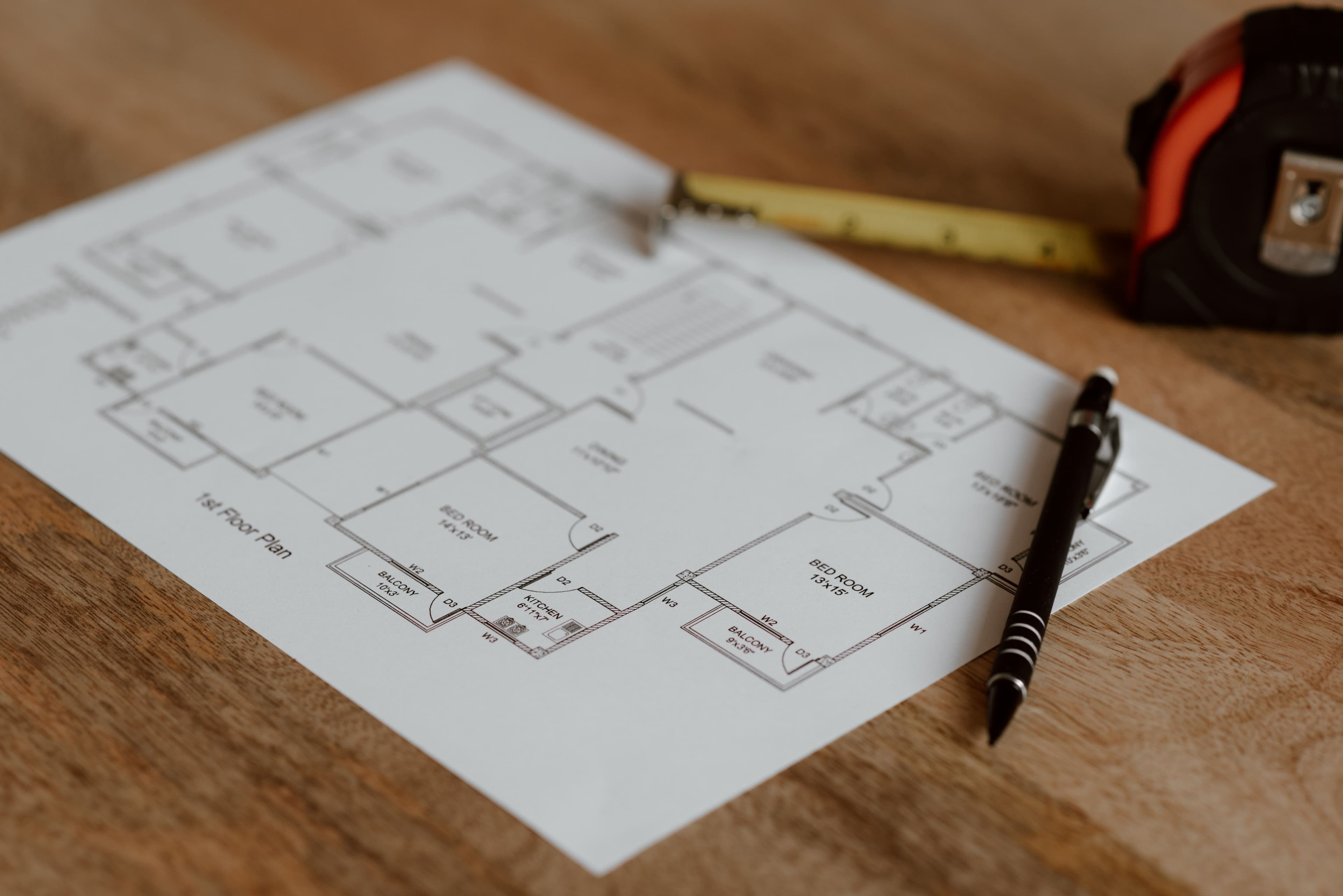
Floor plan on a wooden surface with a pen and tape measure
Photo: Anete Lusina via Pexels

Understand the evidence

Research to Inform Your General Contracting Sales Process

Published April 22, 2026 · 2025 activity and 2026 plans

Keep longer-term projects visible.

Houzz's 2026 study reported that planning took longer than construction for kitchen, closet and home-office renovation projects.

Record the next consultation or decision step for open renovation opportunities. Planning duration is not the same as the time needed to win a bid.

Who was studied: More than 20,000 U.S. respondents; registered Houzz users surveyed January–March 2026.

Limitations: Vendor-published homeowner research, not a general-contractor sales survey or a representative estimate of all U.S. households. Project planning duration does not establish a sales-cycle benchmark or GRIT's performance.

Source: Houzz — 2026 U.S. Houzz & Home Study release

Published April 22, 2026 · Reported 2025 renovation activity

Clarify scope and budget assumptions.

Reported reasons for exceeding renovation budgets included costlier products or services, selecting higher-end materials and expanding project scope.

Discuss preliminary budget and scope before preparing a proposal, and record requested changes. This is practical qualification advice, not a promise to prevent cost overruns.

Who was studied: The budget-overrun discussion within the same U.S. Houzz homeowner study, fielded January–March 2026.

Limitations: A second finding from the same study, not independent confirmation. Self-reported reasons do not prove causation or establish typical contract values. GRIT is not presented as construction-budget or project-delivery management software.

Source: Houzz — 2026 study release, budget-overrun discussion

Three Practical Ways to Keep Opportunities Moving

  1. 01

    Qualify projects before investing hours in proposals.

    Ask about the location, preliminary scope, approximate budget, desired timing and who will make the decision. Explain what your team needs before preparing a detailed proposal. Treat early answers as working assumptions to confirm during the consultation.

  2. 02

    Create a consistent proposal follow-up process.

    Confirm the homeowner received the proposal and record any questions or requested revisions. Agree on a next contact that fits their decision timeline. When scope changes, have your team review the estimate and make the current version clear before approval.

  3. 03

    Track every stage of the sales cycle.

    Keep initial inquiries, consultations, site visits, proposal preparation and customer decisions distinct. Assign a next sales action to each open opportunity. A long planning period does not tell you how long a bid will take to win or whether the homeowner will approve it.

How GRIT Supports the Sales Process

GRIT helps capture project inquiries, keep qualification details organized, schedule site visits, prepare and send staff-approved estimates, and automate follow-up emails. It supports the sales workflow; your team remains responsible for construction budgets, project delivery schedules, final scope and pricing.

Illustrative opportunity

A $42,000 kitchen remodel proposal with a scope question.

The homeowner wants to discuss a change before deciding. Record the proposed revision, identify who needs to approve it and arrange the next consultation. Your team should review the current scope and price before sending an updated proposal. This is an illustrative scenario, not a customer story, typical remodel cost or revenue forecast.

Your free on-page tool

General Contractor Lead Qualification Checklist

Use this for one opportunity at a time. Selections stay in this page; nothing is sent or saved to your account.

0 of 9 complete

General Contractor Lead Qualification Checklist tasks

General Contracting Sales & Follow-Up Questions

What should I ask before preparing a detailed renovation proposal?

Start with project type, location, preliminary scope, approximate budget, desired timing and decision-makers. Confirm these details during your qualification and site-visit process before committing to final scope or pricing.

Does a homeowner's planning timeline tell me how long it takes to win a bid?

No. Planning and construction timelines describe project activity, not a contractor's sales conversion cycle. Agree on the customer's next decision step instead of applying a survey average to your bid.

How should I handle a scope change before approval?

Record the requested change and have your team review its effect on the proposal. Clarify which version is current and what the customer needs to approve. Do not assume the original price or start date still applies.

Does this checklist save a lead in GRIT?

No. It is a planning aid on this page. It does not create leads, send messages or change account data. Copy it for your own use; refreshing clears checked tasks.

Does GRIT manage my construction budget or guarantee signed proposals?

No. The features described here support lead, site-visit, estimate and follow-up organization. Your team manages construction delivery, and customer decisions or revenue are not guaranteed.

See the workflow for yourself

Keep Your General Contracting Sales Process Moving.

Explore GRIT’s existing self-guided demo to see leads, site visits, estimates and follow-up in one workflow.

View Demo